
In an era where radiation has become an integral part of medical practice, its role in providing safe and effective treatment has never been more critical. Radiation health refers to the management and protection of human health from radiation exposure, a field that is increasingly important as the demand for radiation-based medical services grows. This article explores the key concepts, technologies, and practices in modern radiological services, emphasizing their importance in addressing radiation-related health challenges.
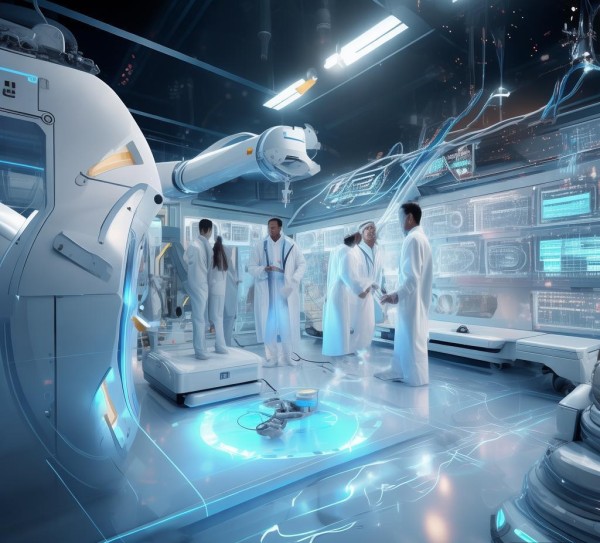
Firstly, radiation exposure is a significant contributor to radiation health risks, particularly in cancer patients. The improper use of radiation can lead to serious health issues, including radiation-induced mutations, which can increase the risk of cancer recurrence. Therefore, understanding the principles of radiation protection and management is essential for ensuring the safety of patients and healthcare providers.
The use of advanced imaging technologies has revolutionized the field of radiation health. Among these, X-ray, CT, MRI, and SPECT are the most commonly used. X-rays are used for initial imaging, while CT and MRI provide detailed images of internal structures. SPECT, or Single Photon Emission Computed Tomography, is a specialized imaging technique used in nuclear medicine to visualize the distribution of radioactive substances within the body. These technologies are essential for accurate diagnosis and treatment planning.
One of the most significant advancements in radiation health has been the development of advanced radiation therapy systems. These systems use sophisticated equipment to deliver radiation doses accurately and efficiently. For example, linear accelerators are used to deliver high doses of radiation to specific tissues, while positron emission tomography (PET) and dynamic PET systems are used to create temporal images of the body. These systems also include radiation monitoring devices that help healthcare providers adjust radiation doses in real-time, ensuring optimal treatment outcomes.
In addition to advanced imaging technologies, radiation health services have also made strides in radiation monitoring and patient education. Radiation monitoring systems are used to track radiation exposure over time, helping healthcare providers identify potential radiation-related health issues before they become apparent. Patient education is another critical component of modern radiological services, as it helps healthcare providers understand the risks and benefits of radiation-based treatments.
The role of radiation health in modern healthcare is not limited to the medical field. It is also a key component of public health strategies aimed at reducing radiation-related health risks. For example, radiation safety measures, such as radiation education programs and radiation monitoring systems, are implemented to protect both patients and healthcare providers. The goal is to create a safer, more efficient, and more effective healthcare environment.
As the field of radiation health continues to evolve, it is expected that new technologies and practices will emerge to further improve the quality of care. For instance, the use of artificial intelligence and machine learning in radiation therapy can help optimize treatment plans and improve patient outcomes. Additionally, advancements in medical imaging, such as high-resolution electron microscopy, will enable more detailed and accurate imaging, which is essential for accurate diagnosis and treatment planning.
In conclusion, radiation health is a critical area of medical research and practice that is increasingly important in the modern healthcare landscape. The use of advanced imaging technologies, radiation therapy systems, and patient education are all essential components of modern radiological services. As the field continues to evolve, it will play an even more significant role in addressing the challenges of radiation health and improving the quality of care for patients.